
What steel is used for springs depends on the required strength, elasticity, fatigue resistance, and application.
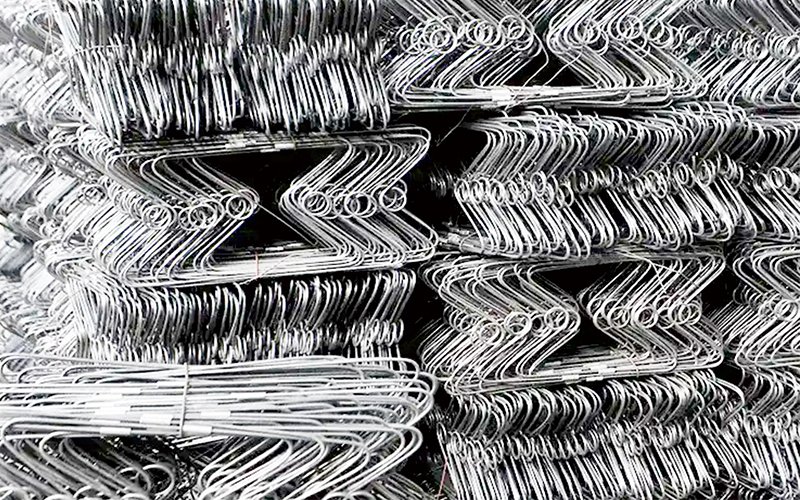
Spring Steel Materials and Applications
Springs are widely used in automobiles, furniture, machinery, household products, and industrial equipment. Their performance depends heavily on material selection, including strength, elasticity, fatigue resistance, and durability.
High carbon steel is one of the most commonly used materials for manufacturing springs, particularly in applications requiring high tensile strength and reliable elastic performance. However, different spring applications may require different steel grades and material compositions.
1. High Carbon Steel for Spring Manufacturing
High carbon steel generally contains approximately 0.60%–1.00% carbon, depending on the applicable classification and steel grade.
With suitable heat treatment or cold working, high carbon steel can achieve high tensile strength, hardness, and elastic limits. These properties make it suitable for manufacturing various types of springs and wear-resistant components.
Common high carbon steel grades used in spring wire production include:
- 65#
- 70#
- 65Mn
- 77B
- 82B
The specific grade is selected according to the required wire diameter, tensile strength, spring design, and operating conditions.
2. Materials Used for Small and Large Springs
Different spring applications require different material properties. Material selection depends on the spring’s dimensions, load requirements, operating environment, and expected service life.
Small Springs
Small springs are commonly manufactured from high-quality carbon steel or high carbon spring steel.
Typical applications include:
- Bicycle seat suspension springs
- Clip and clamp springs
- Small compression springs
- Tension springs
- Household appliance springs
These applications often require good elasticity, dimensional accuracy, and consistent mechanical properties.
Medium and Large Springs
Medium and large springs, especially those used in automotive suspension systems and heavy machinery, may require alloy spring steel.
Common materials include:
- 60Si2Mn
- 50CrVA
These alloy spring steels are designed to provide suitable strength, toughness, and fatigue resistance under demanding operating conditions.
For example, 60Si2Mn and 50CrVA are commonly used in automotive leaf springs and other heavy-duty spring components.
3. Why Is High Carbon Steel Suitable for Springs?
High carbon steel offers several important properties for spring manufacturing.
High Tensile Strength
After appropriate processing, high carbon spring steel can achieve high tensile strength, allowing springs to withstand significant loads.
Good Elastic Performance
Properly processed spring steel can deform under load and recover its original shape when the load is removed, within its elastic range.
High Hardness and Wear Resistance
Suitable heat treatment and cold working can improve hardness and wear resistance, making high carbon steel useful for demanding mechanical applications.
Suitable for Cold Drawing
High carbon steel wire can be manufactured through controlled cold drawing to achieve the required diameter, tensile strength, and dimensional tolerance.
4. Carbon Tool Steel and Spring Applications
Carbon tool steel is another category of high carbon steel. It generally contains approximately 0.65%–1.35% carbon, depending on the grade and applicable standard.
It is primarily developed for manufacturing tools that require high hardness and wear resistance, such as cutting tools and measuring tools.
Although some carbon tool steels can be used in specialized spring applications, they are not the primary material choice for most industrial spring wire production. Dedicated spring steel grades are generally selected according to the required mechanical performance and application.
5. Choosing the Right Steel Wire for Spring Manufacturing
Selecting the right steel wire is essential for achieving consistent spring performance and product quality.
Manufacturers should consider the following factors:
- Steel Grade: Choose a grade suitable for the spring design and mechanical requirements.
- Wire Diameter: Ensure the diameter meets the spring design specifications.
- Tensile Strength: Match the strength level to the required load and deformation characteristics.
- Surface Quality: Minimize scratches, cracks, and other surface defects that may affect fatigue performance.
- Dimensional Tolerance: Maintain consistent wire diameter to support stable spring forming.
- Processing Conditions: Consider drawing reduction, heat treatment where applicable, and subsequent forming processes.
Conclusion
High carbon spring steel is widely used in spring manufacturing because of its high strength, hardness, and elastic performance after suitable processing. Alloy spring steels such as 60Si2Mn and 50CrVA are also important materials for automotive and heavy-duty spring applications.
Choosing the right material and maintaining consistent manufacturing quality are essential for producing reliable springs.
WANLIN METAL supplies high carbon spring steel wire made from grades including 65#, 70#, 65Mn, 77B, and 82B. We support customized wire diameters, tensile strength requirements, and surface conditions for mattress spring manufacturing and other industrial applications.
Contact WANLIN METAL to discuss your spring steel wire requirements.
Our high carbon steel wire is suitable for spring manufacturing and other applications requiring high tensile strength.