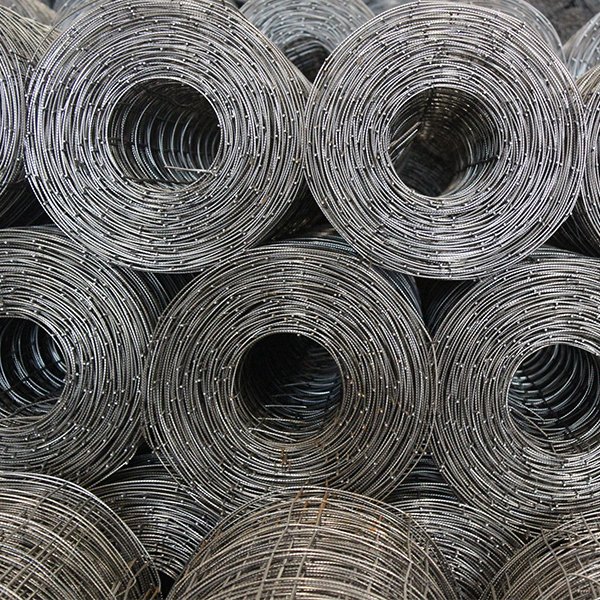
Low Carbon Cold Drawn Steel Wire
Galvanized steel wire is a low-carbon steel wire coated with zinc to improve corrosion resistance and extend service life. It is widely used in construction, agriculture, fencing, wire mesh, hardware products, and various industrial applications.
But how is galvanized steel wire manufactured, and how can different wire diameters and specifications be produced?
The manufacturing process generally includes wire drawing, surface cleaning, heat treatment, galvanizing, cooling, inspection, and packaging. The exact process may vary depending on the required wire diameter, mechanical properties, zinc coating, and final application.
What Is Galvanized Steel Wire?
Galvanized steel wire is produced from low-carbon steel wire rod. Through a series of drawing and surface-treatment processes, the steel is formed into wire with the required diameter and mechanical properties.
A zinc coating is then applied to the steel wire to provide additional protection against corrosion.
There are two common types of galvanized steel wire:
- Hot-Dip Galvanized Steel Wire
- Electro-Galvanized Steel Wire
Hot-dip galvanizing generally provides a thicker zinc coating and stronger corrosion protection, making it suitable for outdoor and demanding applications. Electro-galvanizing produces a thinner and more uniform zinc coating and is commonly used where surface appearance and dimensional control are important.
How Is Galvanized Steel Wire Made?
The production of galvanized steel wire begins with high-quality low-carbon steel wire rod.
- Wire Rod Preparation
The process starts with suitable low-carbon steel wire rod. The wire rod is inspected and prepared before further processing.
Surface contaminants such as scale and rust must be removed to ensure good surface quality and proper adhesion during subsequent processing.
- Surface Cleaning and Pickling
The wire rod or drawn wire undergoes surface preparation, which may include mechanical descaling, pickling, and water washing.
These processes remove oxide scale, rust, and other surface contaminants from the steel.
A clean steel surface is essential for achieving a consistent zinc coating.
- Wire Drawing
The cleaned steel is then processed through a series of drawing dies.
During wire drawing, the steel wire passes through progressively smaller die openings, reducing its diameter while increasing dimensional accuracy.
By controlling the drawing dies and processing parameters, manufacturers can produce different wire diameters according to customer requirements.
For example, a larger wire rod can be gradually drawn into smaller-diameter wire through multiple drawing passes.
- Annealing and Heat Treatment
Depending on the required mechanical properties, annealing may be carried out during the manufacturing process.
Heat treatment helps control the hardness, strength, ductility, and flexibility of the steel wire.
The specific treatment depends on the steel grade, wire diameter, and intended application.
- Galvanizing
After the steel wire has been properly cleaned and prepared, the zinc coating is applied.
For hot-dip galvanized steel wire, the steel wire is immersed in molten zinc. The zinc forms a protective coating around the steel surface.
For electro-galvanized steel wire, zinc is deposited onto the steel surface through an electrochemical process.
The galvanizing method, coating thickness, and process parameters are selected according to the required corrosion resistance and application.
- Cooling and Surface Inspection
After galvanizing, the wire is cooled and the surface is inspected.
Quality control may include checking:
- Wire diameter
- Zinc coating
- Surface appearance
- Tensile strength
- Mechanical properties
- Dimensional consistency
These inspections help ensure that the finished wire meets the required specifications.
- Packaging
After final inspection, galvanized steel wire is wound into coils or supplied in other specified forms.
Packaging can be customized according to:
- Coil weight
- Wire diameter
- Transportation requirements
- Customer specifications
- Application requirements
Proper packaging helps protect the galvanized surface during storage and transportation.
How Are Different Wire Specifications Produced?
One of the key advantages of the wire drawing process is its ability to produce different wire diameters and mechanical properties from the same basic steel material.
The final specification can be controlled through several factors, including:
Steel Grade → Drawing Process → Wire Diameter → Heat Treatment → Galvanizing → Zinc Coating → Final Inspection
By adjusting these parameters, manufacturers can produce galvanized steel wire for different applications and performance requirements.
Common specifications may include different wire diameters, tensile strengths, zinc coating weights, coil weights, and packaging methods.
What Are the Main Applications of Galvanized Steel Wire?
Galvanized steel wire is widely used because of its combination of strength, flexibility, and corrosion resistance.
Typical applications include:
- Construction — binding wire and construction-related wire products
- Fencing & Wire Mesh — fences, mesh, and protective barriers
- Agriculture — greenhouse structures, farm fencing, and agricultural applications
- Hardware Products — hooks, clips, ties, and other wire-formed components
- Industrial Applications — various components requiring corrosion-resistant steel wire
The appropriate specification depends on the application, environmental conditions, required strength, and expected service life.
Quality Control Throughout the Production Process
Producing galvanized steel wire is more than simply applying a zinc coating to steel.
Consistent quality requires control throughout the entire manufacturing process, from raw material selection and wire drawing to heat treatment, surface preparation, galvanizing, inspection, and packaging.
Important quality factors include dimensional accuracy, mechanical properties, surface condition, zinc coating, and packaging quality.
For industrial buyers, selecting the appropriate steel grade, wire diameter, tensile strength, and zinc coating is essential to achieving reliable performance in the final application.
Conclusion
Galvanized steel wire is manufactured through a controlled combination of wire drawing, surface preparation, heat treatment, galvanizing, cooling, inspection, and packaging.
By carefully controlling each stage, manufacturers can produce galvanized steel wire in different diameters and specifications to meet the requirements of construction, agriculture, fencing, hardware, and industrial applications.
For B2B buyers, understanding the manufacturing process can help when selecting the right wire diameter, steel grade, mechanical properties, galvanizing method, and zinc coating for a specific application.
Need Galvanized Steel Wire for Your Application?
WANLIN METAL supplies steel wire solutions according to customer specifications, drawings, samples, and application requirements.
Contact us to discuss your galvanized steel wire requirements.